IPTV vs Cable for Sports: What You Actually Need to Know
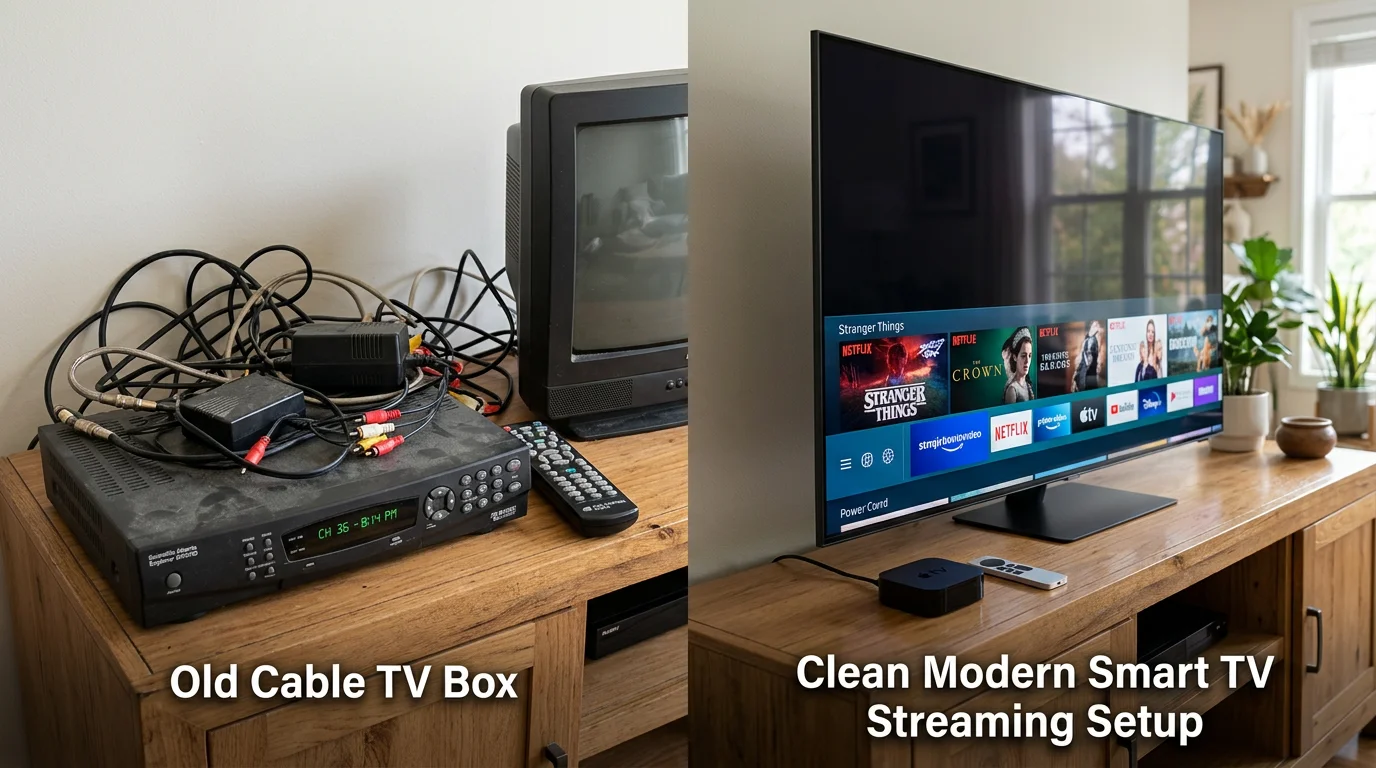
If you're paying a cable bill every month and still missing games, or if you're curious whether IPTV can actually replace your sports package, this page is for you. We're going to break down the real differences between IPTV and cable for watching live sports, covering cost, channel access, reliability, and the honest trade-offs on both sides. No fluff, just the facts sports fans need.
Cost and Channel Access: Where IPTV Pulls Ahead
Cable TV sports packages are expensive. If you want the full spread, we're talking Premier League, Champions League, NFL Sunday Ticket, NBA League Pass, La Liga, Serie A, and the rest, you're often looking at multiple subscriptions stacked on top of a base cable bill. In the United States, that can push past $150 to $200 a month before you've even added premium tiers. In South Africa and other markets, the story is similar: DSTV Premium pricing puts serious sport behind a steep paywall.
IPTV services typically charge a fraction of that. Many providers offer thousands of live channels, including dedicated sports channels covering the NFL, Premier League, UEFA Champions League, NBA, Rugby, Cricket, and more, for anywhere between $10 and $30 a month depending on the provider and package. That's a significant difference for fans who just want to watch sport without paying for 400 channels they'll never touch.
The channel library on a quality IPTV service is hard to match. You can get beIN Sports, Sky Sports, ESPN, SuperSport, DAZN-fed content, and regional sports networks all in one place. Cable providers bundle these too, but they bundle them with a lot of extras you didn't ask for, and the pricing reflects that.
Reliability and Picture Quality: The Honest Picture
Cable has one clear advantage: consistency. Because it runs over a dedicated physical line, you're not competing with your neighborhood's internet traffic at 8pm on a Saturday when the Premier League title race is being decided. Cable doesn't buffer. It doesn't drop at kickoff. That's a real point in its favor, and any honest IPTV guide has to acknowledge it.
IPTV quality depends directly on your internet connection. If you've got a solid broadband connection, 25 Mbps or higher, and a decent router, most quality IPTV services will stream HD and even 4K content without problems. But during peak events, like the Super Bowl, a Champions League final, or a World Cup knockout match, some IPTV servers do experience congestion. Buffering during a penalty shootout is not something you want to experience.
This is the honest limitation you need to factor in. Cheap IPTV providers with overloaded servers are a genuine risk. The solution is choosing a reputable service with good infrastructure, and testing it before the big game rather than on the night itself.
Picture quality on a well-run IPTV service can genuinely match or beat cable. Many IPTV providers offer 1080p streams across their sports channels, and some are pushing 4K for select events. Cable often maxes out at 1080i depending on your provider and equipment.
Flexibility and Device Access: IPTV Wins Here
Cable ties you to a box and a TV. If you want to watch the NBA playoffs on your phone during a commute or catch an NFL game on your tablet at a friend's place, cable makes that difficult. Most cable providers have apps, but they're often clunky, require you to be on your home network, or restrict certain channels from streaming.
IPTV is built for flexibility. You can watch on your smart TV, phone, tablet, laptop, Amazon Fire Stick, Android box, or MAG device. Most providers give you at least two or three simultaneous connections, so different people in the house can watch different sports at the same time. That kind of access is genuinely useful for households where one person wants La Liga and another wants to watch the cricket.
Setup is straightforward on most devices, and you don't need a technician to come out and install anything. You subscribe, load the app or IPTV player, and you're watching within minutes.
Recommended Services
If you're based in South Africa or looking for a provider that covers major international sports including Premier League, Champions League, SuperSport channels, and more, their platform is worth checking out. They offer a strong sports channel lineup at competitive pricing, and they've built a reputation for reliability in a market where that matters a lot.
Frequently Asked Questions
Is IPTV legal for watching sports?
It depends on the provider. Licensed IPTV services that have broadcast rights in your region are perfectly legal. Unlicensed services operating without rights agreements are not. Always check whether a provider holds the appropriate licenses for the content they're streaming in your country.
Can IPTV handle live sports without buffering?
Yes, if you have a reliable internet connection and a quality provider. Aim for at least 25 Mbps for HD streaming. The biggest risk of buffering comes during extremely high-traffic events, so test your service beforehand and make sure your provider has servers that can handle the load.
Does IPTV have blackout restrictions like cable?
Some IPTV services do carry geo-blocking or blackout restrictions depending on the rights the provider holds in your region. This is more common with licensed providers. Unlicensed services often bypass these restrictions, but that comes with its own legal and reliability risks. Check with your specific provider before signing up if blackout rules are a concern for you.
IPTV vs Cable for Sports: Detailed Comparison
| Feature | Cable TV | IPTV |
|---|---|---|
| Monthly cost (sports) | $80 to $200+ depending on package and region | $10 to $30 for comparable sports coverage |
| Channel count | Hundreds, many non-sport filler channels | Hundreds to thousands, varies by provider |
| Stream reliability | Very consistent via dedicated line | Depends on provider quality and internet speed |
| Device flexibility | Limited, mostly set-top box or app | Smart TV, phone, tablet, PC, streaming stick |
| 4K availability | Select events, requires compatible equipment | Select events, requires quality provider |
| Simultaneous streams | One TV per box | Two to four per plan |
| Contract requirements | Often 12 to 24 month minimum | Usually monthly, no long-term commitment |
| International sports access | Depends heavily on regional packages | Wide international coverage from one sub |
The comparison above covers the core trade-offs honestly. Cable wins on reliability because its infrastructure doesn't depend on your home internet connection. IPTV wins on almost every other dimension: cost, flexibility, device support, international coverage, and the absence of long-term contracts. For sports fans who want to follow leagues across multiple countries and don't want to pay separately for each, IPTV's value case is hard to argue against.
The contract question is worth emphasizing. Most cable providers require twelve or twenty-four month agreements. If you move, travel frequently, or simply want to change providers, you're locked in. IPTV subscriptions are typically monthly with no cancellation penalty. If a provider doesn't perform during a big event, you switch. That flexibility alone changes the power dynamic between subscriber and provider in a way that cable will never offer.
Is there any sport that cable handles better than IPTV?
For local sports in the US, cable's advantage shows most clearly through regional sports networks. RSNs covering your local MLB, NBA, or NHL team are deeply integrated with cable packages and are one area where IPTV coverage can be inconsistent. RSN availability on IPTV varies significantly by provider and by market. If your primary sporting priority is following a specific local team across a full 82-game NBA season or 162-game MLB season, verify that your specific RSN is reliably available before canceling cable entirely.
What happens to my sports access if my internet goes out?
IPTV goes offline with your internet connection. This is the genuine practical advantage of cable: it runs on a separate physical infrastructure and keeps working even when your broadband is down. For most people, internet outages during peak sports hours are rare enough not to be a deciding factor. If you're in an area with unreliable internet, that changes the calculation. A backup option like a mobile hotspot keeps IPTV running during brief outages, which is not a fix cable viewers ever need.
Can I switch from cable to IPTV without missing any sports?
For most viewers, yes. The main exceptions are local RSNs in the US and any sport-specific channels that carry exclusive rights in your region. Before cutting cable, spend two weeks running an IPTV trial subscription alongside your existing cable. Watch the same events on both and compare. If the IPTV service covers everything you care about without any gaps, you have your answer. If you find specific channels or events missing, that's the information you need to make an informed decision rather than cutting cable and discovering the problem on game day.